
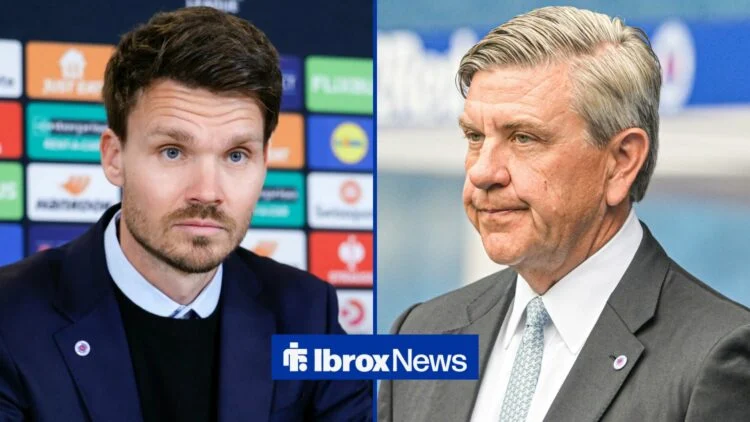
Rangers Criticism Unfair as Danny Röhl Deserves Time to Build at Ibrox
In the high-pressure world of Scottish football, patience is often in short supply—especially at a club with the stature and expectations of Rangers. Yet the growing criticism aimed at Danny Röhl feels not only premature but fundamentally unfair. Football history consistently shows that meaningful progress requires time, stability, and trust in a manager’s vision. Röhl, still early in his tenure, deserves the opportunity to shape Rangers in his image over a full season at Ibrox.
When Röhl arrived, he inherited more than just a squad—he stepped into a complex environment shaped by inconsistency, inflated expectations, and the lingering shadow of past successes. Transforming such a setup is never immediate. It requires careful restructuring, both tactically and culturally. Judging his impact based on a limited run of matches ignores the broader context of what he is trying to achieve.
One of the key issues behind the criticism is the expectation of instant results. Rangers supporters, understandably passionate, demand success. However, modern football rarely rewards quick fixes. Managers who succeed long-term are those given the space to implement their philosophy, develop players, and build cohesion. Röhl has already shown glimpses of a clear tactical identity—structured pressing, intelligent transitions, and a willingness to trust younger players. These are not signs of a manager out of his depth, but of one laying foundations.
It’s also worth noting that inconsistency in performances often reflects deeper structural issues rather than managerial shortcomings alone. Squad balance, injuries, and adaptation to new systems all play a role. Röhl cannot be expected to resolve all of these challenges instantly. Instead, what should be assessed is whether there is progress—and there are indicators that suggest there is.
Critics have pointed to dropped points and uneven displays as evidence against him. But such arguments overlook the transitional nature of the current Rangers side. Building a competitive team capable of sustained success domestically and in Europe is a process. Short-term setbacks should not overshadow long-term potential.
Moreover, changing managers frequently has historically done more harm than good. Stability breeds success. By constantly resetting, clubs risk losing direction and identity. Rangers must avoid falling into that trap. Röhl represents a modern, forward-thinking approach—one that aligns with how successful clubs across Europe are evolving.
There is also an intangible quality Röhl brings: composure under pressure. Despite mounting criticism, he has remained measured and focused, refusing to deflect blame or engage in distractions. This mentality is crucial in a role as demanding as the Rangers job. It sets a tone for players and fosters a culture of accountability.
Ultimately, the question Rangers must ask is not whether Röhl has delivered perfection, but whether he is the right man to lead a long-term project. Based on his approach, ideas, and early signs of progress, the answer leans strongly toward yes.
Football is rarely a straight path to success. It is marked by setbacks, learning curves, and gradual improvement. Danny Röhl is entitled to time—at least another full season—to prove his vision can translate into sustained results. Writing him off now would not only be unfair but potentially a costly mistake for Rangers’ future ambitions.
