
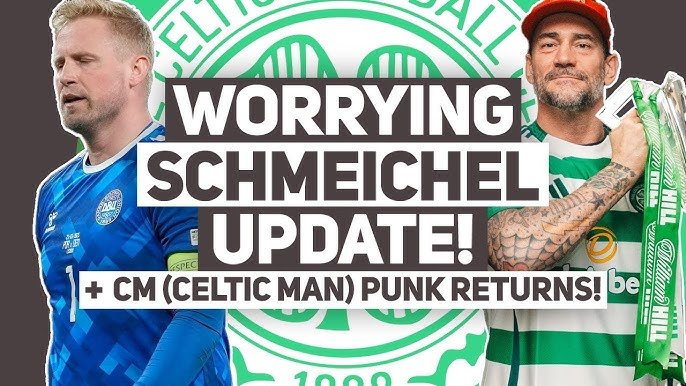
Kasper Schmeichel Injury Shock Sparks Fury Among Celtic Fans
Celtic supporters have reacted with anger and disbelief after veteran goalkeeper Kasper Schmeichel confirmed that a serious injury could potentially bring his playing career to an abrupt end. The news has sent shockwaves through the fanbase, with many questioning how the situation was handled and directing frustration toward what they describe as “gross incompetence” behind the scenes.
Schmeichel, known for his leadership, experience, and commanding presence in goal, has been a vital figure both on and off the pitch. His arrival was seen as a stabilizing move, bringing reliability to a key position. However, concerns reportedly began to surface in recent weeks regarding his fitness, with some fans now claiming that warning signs were ignored.
In a candid update, Schmeichel admitted that the injury is more severe than initially thought. While he stopped short of officially announcing retirement, his words strongly suggested that the road to recovery may be long and uncertain—possibly too demanding at this stage of his career. For many supporters, this confirmation has only intensified scrutiny of the club’s medical and management decisions.
Online platforms have been flooded with reactions, ranging from disappointment to outright outrage. A common theme among fans is the belief that the situation could have been prevented or better managed. Some argue that Schmeichel was overplayed despite fitness concerns, while others believe the club failed to secure adequate backup in anticipation of potential problems.
Critics have also pointed to a lack of transparency, suggesting that supporters were kept in the dark about the seriousness of the goalkeeper’s condition. This perceived communication gap has further eroded trust, with calls growing louder for accountability within the club’s structure.
Despite the anger, there is also a deep sense of sympathy for Schmeichel himself. Many fans have expressed gratitude for his contributions and professionalism, emphasizing that their frustration is not directed at the player. Instead, they see him as a victim of poor decision-making, caught in a situation that may prematurely end a distinguished career.
The potential loss of Schmeichel presents both an emotional and tactical challenge for the team. Replacing a goalkeeper of his caliber is no simple task, particularly mid-season. It raises urgent questions about squad depth and whether the club is adequately prepared to cope with such setbacks.
Moving forward, attention will likely turn to how Celtic responds. Supporters will be looking for clear communication, decisive action, and reassurance that lessons have been learned. Whether that involves changes in medical protocols, recruitment strategy, or internal oversight remains to be seen.
For now, the focus remains on Schmeichel’s health and future. As speculation continues, one thing is certain: this episode has struck a nerve among Celtic fans, highlighting broader concerns about leadership and decision-making at the club.
