
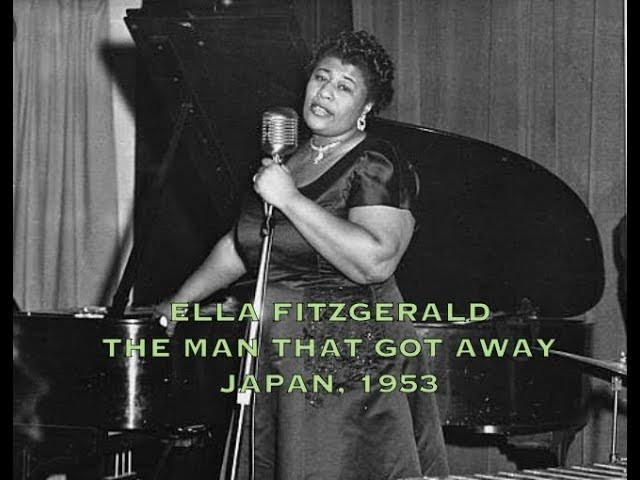
Ella Fitzgerald: The First Lady of Song Who Made Grammy History
In the golden era of jazz and swing, few voices resonated as powerfully and beautifully as Ella Fitzgerald’s. Affectionately known as the “First Lady of Song,” Fitzgerald didn’t just captivate audiences with her vocal genius — she also shattered barriers. In 1959, she became the first African American woman to win a Grammy Award, a milestone that marked a significant turning point in music history.
Fitzgerald’s journey to Grammy greatness was anything but ordinary. Born in 1917 in Newport News, Virginia, and raised in Yonkers, New York, Ella rose from a troubled childhood and homelessness to become one of the most celebrated jazz vocalists in the world. Her career took flight in the 1930s when she won an amateur contest at Harlem’s Apollo Theater — a victory that launched a lifetime in music.
Her Grammy wins in 1959 (for Best Female Vocal Performance and Best Individual Jazz Performance) weren’t just personal triumphs — they were cultural landmarks. These awards recognized her groundbreaking interpretations of the American songbook, including her ever-popular track “A-Tisket, A-Tasket,” often remembered fondly by many as “I Found My Yellow Basket.” This playful, catchy tune became her signature hit and catapulted her to national fame in the late 1930s.
Ella’s voice was a marvel — smooth as silk, technically flawless, and emotionally rich. She had a gift for improvisation and was a master of scat singing, which made her performances thrilling and unpredictable. Her interpretations of songs by Cole Porter, Duke Ellington, and George and Ira Gershwin remain definitive to this day.
But beyond the accolades and her impeccable artistry, Ella Fitzgerald broke down racial barriers in an era marked by segregation. She performed at some of the most prestigious venues in the world, often challenging norms and defying expectations simply by showing up and shining on stage.
Her Grammy wins were just the beginning. Over her lifetime, Ella earned 14 Grammy Awards and the Grammy Lifetime Achievement Award in 1967. She left behind an unmatched legacy of over 200 albums and sold more than 40 million records.
Ella Fitzgerald wasn’t just a singer; she was a symbol of resilience, elegance, and excellence. Her voice continues to inspire generations, reminding us all that music knows no boundaries — and that true talent, like hers, will always find its spotlight.
