
Wyness Sounds the Alarm as PIF Verdict Looms Over Newcastle’s Future
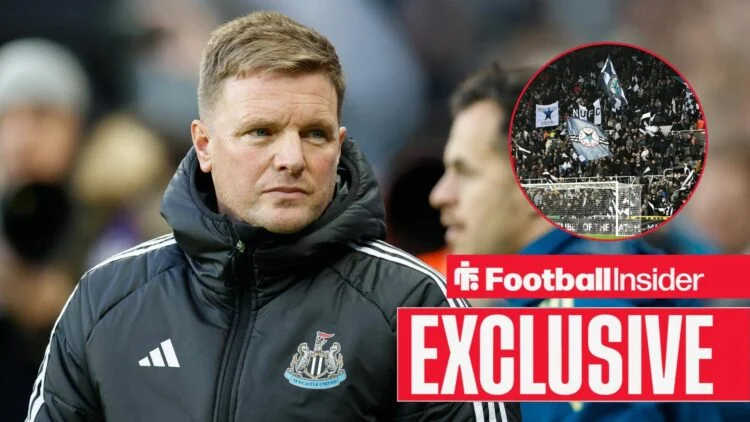
Former Everton chief executive Keith Wyness has delivered a dramatic warning over the potential fallout from the long-running Premier League case involving Newcastle United and their Saudi-backed ownership. His comments come amid fresh speculation surrounding the future of manager Eddie Howe, with uncertainty swirling at St James’ Park.
Newcastle’s hierarchy, led by the Saudi Public Investment Fund (PIF), has transformed the club since completing its takeover in 2021. Backed by vast financial resources, the Magpies have gone from relegation candidates to Champions League participants in under two seasons. Yet off-field scrutiny has never been far away.
The ongoing regulatory spotlight intensified following the Premier League’s legal disputes over associated party transaction (APT) rules — regulations designed to ensure commercial deals linked to club ownership are struck at fair market value. While Newcastle have consistently maintained they are operating within the rules, the wider verdict surrounding PIF’s influence across English football could have significant implications.
Speaking in the wake of heightened rumours about Howe’s position, Wyness suggested that the timing of managerial instability would be “far from ideal” if regulatory outcomes were to go against the club. He described the situation as a “heavy cloud” hanging over the boardroom, warning that uncertainty at both ownership and coaching levels can quickly destabilise momentum.
Howe, who guided Newcastle to a fourth-place Premier League finish in 2022–23, remains widely respected for reshaping the club’s culture and recruitment strategy. However, a dip in form and increased expectations have fuelled outside noise. Wyness cautioned that reacting hastily could prove costly.
“Stability is everything in modern football,” he implied, stressing that ownership groups must avoid emotional decisions during periods of external pressure. The Saudi-backed regime has prided itself on a long-term vision, investing in infrastructure, data-led recruitment, and wage sustainability. Removing Howe, particularly while legal and financial questions linger, could send conflicting signals.
The Premier League’s broader examination of sponsorship and ownership structures — a process that has also involved clubs like Manchester City — underscores the high-stakes environment Newcastle operate within. Any verdict affecting PIF-linked commercial deals would not only impact revenue streams but potentially reshape competitive planning.
Wyness stopped short of predicting punitive action but stressed that even partial restrictions could “tighten the screws” on Newcastle’s ambitious project. Financial Fair Play margins are already fine across the league, and delays or reductions in commercial approvals could limit transfer flexibility.
For supporters, the situation is unsettling. Since PIF’s arrival, optimism has largely replaced years of stagnation under previous ownership. The idea that boardroom challenges might derail progress — combined with managerial uncertainty — revives old anxieties.
Yet there is also perspective to consider. Newcastle remain structurally stronger than they were five years ago. Revenue growth, global partnerships, and improved squad depth provide a foundation that many rivals would envy. Even in a stricter regulatory climate, the club is unlikely to return to the instability of the past decade.
Ultimately, Wyness’ “bombshell” assessment serves as a reminder that Newcastle’s rise has always been intertwined with scrutiny. Success invites examination. The coming months — both in the courtroom and on the pitch — may prove pivotal.
Whether Howe stays or goes, and whatever verdict emerges regarding PIF-linked dealings, Newcastle’s leadership faces its most delicate balancing act yet. The ambition remains undeniable. But as Wyness warns, ambition must now coexist with caution.
