
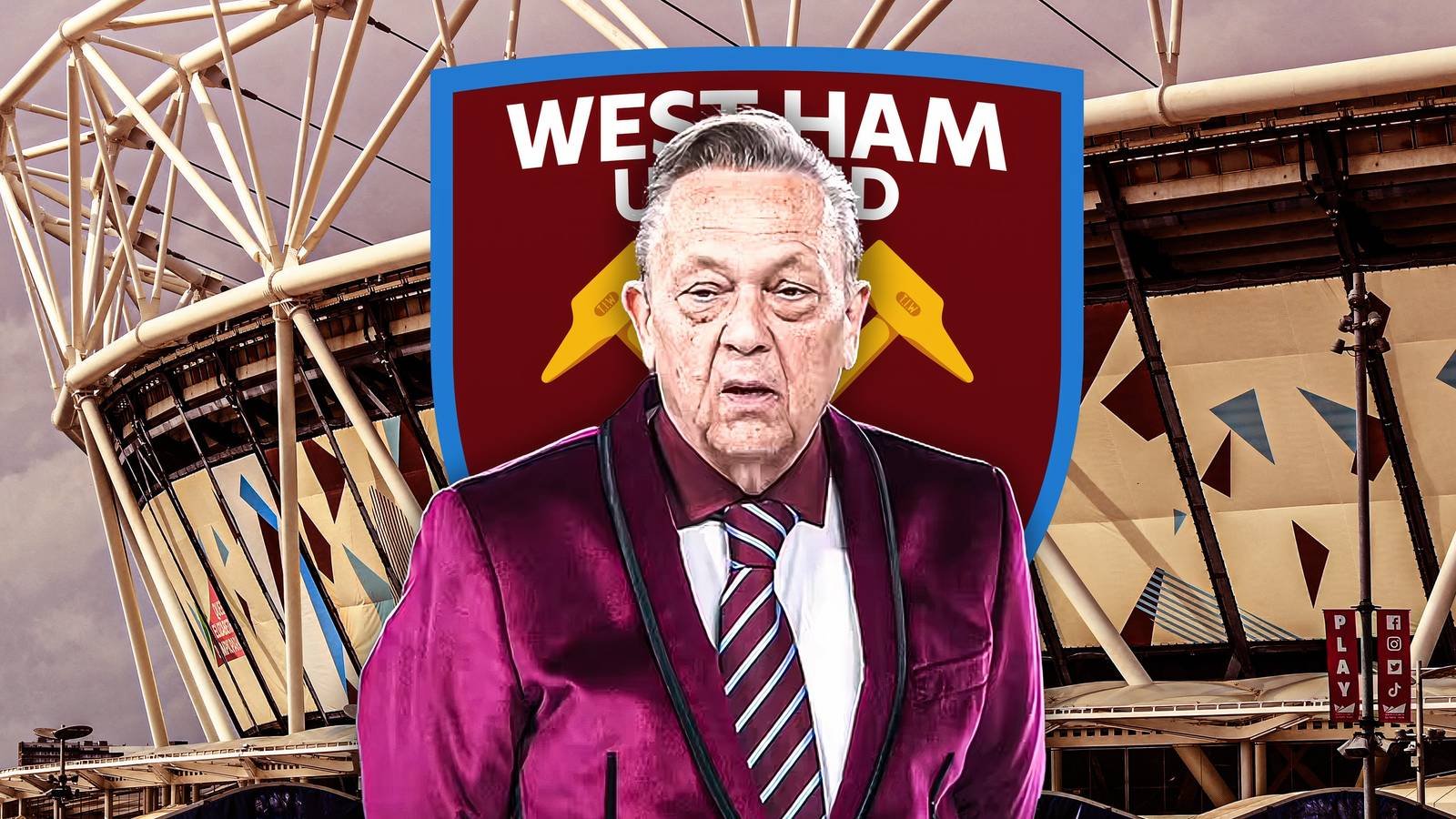
Kieran Maguire verdict on West Ham’s £101m cash problem after rare Daniel Kretinsky comments
As is the case nearly everywhere he does business, Daniel Kretinsky is something of an enigma at West Ham.
In 2021, the man dubbed the Czech Sphinx because of his inscrutable investment approach bought a 27 per cent stake in the Hammers.
That deal, which was worth up to £200m, included an option to increase that stake for a set price. And for a long time, fans believed he was heir apparent to David Sullivan as majority owner. But a full takeover never materialised and while Kretinsky has said he is open to upping his stake, he has distanced himself from acquiring the club outright.
For supporters desperate to see the back of Sullivan, that is frustrating. But on the surface, it is hardly surprising. After all, Kretinsky has been very busy elsewhere. The multibillionaire won a protracted takeover battle for the Royal Mail in April last year. A few months later, he embarked on a £4.5bn joint venture with French oil giant TotalEnergies.
Would you take relegation if it meant that David Sullivan would leave?! 🤔
Not a nice position to be in – but what would YOU choose if you had to?

With West Ham contesting with the prospect of becoming the most valuable club to ever be relegated, however, Kretinsky’s long-term plan at the London Stadium is under the spotlight.
And recent comments in a rare interview illustrate why the Irons are such an unconventional investment for the 50-year-old.
Speaking to The Economist, Kretinsky characterised his approach as “focus[ing] not on flashy new industries but those that serve consumers’ essential needs.”
West Ham don’t exactly fit that mould. Premier League clubs are money pits, almost invariably spending far more than they earn on transfers and wages. So why has Kretinsky broken from his usual investment philosophy to

“My belief is that he thought West Ham was undervalued and he wanted to flip it after some success at the club,” says University of Liverpool football finance lecturer Kieran Maguire, speaking exclusively to Hammers News.
“One metric I always focus on is operating cash flow, that’s the real money that the business generates from selling tickets, merchandise and so on. In West Ham’s latest accounts
“In a normal business, you expect your operating cash flow to be positive. If you can’t generate more cash from selling goods and services than it costs to provide or sell them, why be in business?
“In football, it’s different. Over the last two years, West Ham have a negative operating cash flow of £101m. So that appears to be at odds with a long-term investor’s model because the only way you can cover the operating losses is by selling assets, going to lenders or going to the owners and getting funding that way. That appears to be at odds with Kretinsky’s philosophy.”
Imagine YOU have just taken over West Ham?
What is the very first thing you do?

Most experts currently value West Ham at about £1bn. In the Championship, that appraisal would decline sharply. While the upside of a London-based club is huge, any incoming investor would be taking on much more risk in the second tier and would likely have to underwrite losses as well as the purchase price.
In any case, however, there is no indication of Sullivan moving to sell his stake, though Vanessa Gold’s shares are reportedly still up for sale.
