
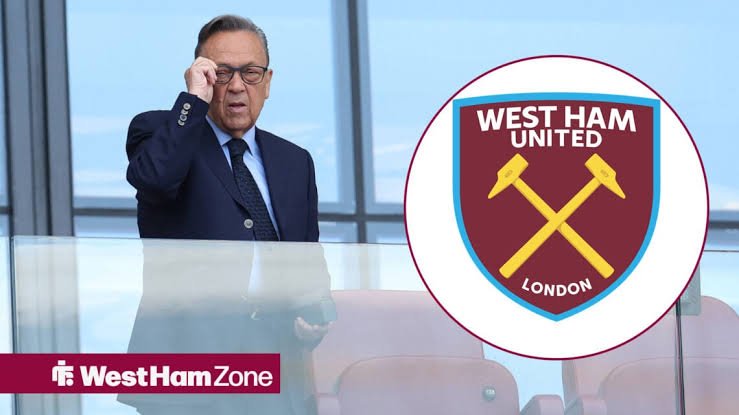
“Enough Is Enough” – A Coffin, A March and the Unraveling At West Ham United
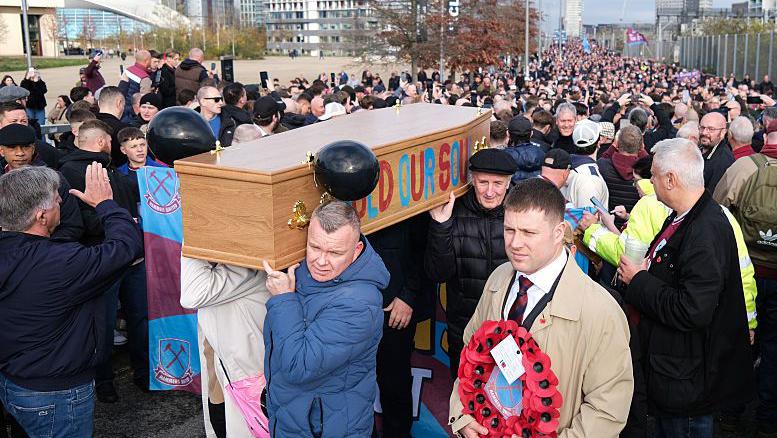

A dramatic spectacle unfolded outside the London Stadium as thousands of West Ham United supporters carried a coffin through the streets to mark their collective frustration with the club’s ownership. The coffin — emblazoned with slogans such as “Sold our soul” and “No more BS” (a pointed reference to chairman David Sullivan and vice-chair Karren Brady) — has become the latest, stark symbol of fan disillusionment. (thesun.co.uk)
A Season Spiralling
West Ham’s current campaign has been a far cry from the optimism that followed their European success. The team find themselves languishing in the relegation zone, a position they never imagined given their recent achievements. That dip in performance, combined with persistent issues off the pitch, has provided the tinder for this latest eruption of support-side anger.
Just weeks previously the official fan advisory board launched a vote of no confidence in the club’s board, citing what they described as “an ageing and uncompetitive squad” and “sustained failure” by the executive management. (ESPN.com) That was followed by banners outside the stadium reading “Just resign”, “Sold a dream, living a nightmare” and “No more BS”. (ESPN.com)
Why the Coffin?
The use of a coffin — chilling, theatrical and impossible to ignore — underscores how deep the fans’ frustration has grown. For many supporters, this is not just about poor results on the pitch; it’s about what they perceive as a loss of identity, direction and ambition. The move from their historic home at Upton Park to the London Stadium remains a sore point, symbolising a shift in values that many long-time fans never embraced. (ESPN.com)
When that shift is now accompanied by a club flirting with relegation, the anger intensifies. The coffin becomes a metaphor for the death of trust — trust in the board, in the strategic vision, in the club’s ability to compete.
Ownership and Accountability
At the heart of the protests is a singular demand: accountability. The banners carried by the crowd leafleted the message that Sullivan and Brady must go. “Just resign” said one; “No more BS” declared another. These are not fringe voices — according to BBC reporter Chris Wise, around 10,000 fans took part in the November 8 march ahead of the Burnley game. (West Ham Zone)
This is not the first time West Ham fans have demonstrated against the board. Historically, there have been protests, pitch invasions and public outcry but the tone now feels more ominous, more sustained. (Wikipedia)
What Happens Next?
There are multiple dynamics at play. On the one hand, the players and manager face an urgent need to arrest the slide — turning the stadium into a “fortress” was a rallying cry from manager Nuno Espírito Santo after a recent win, but the atmosphere is still heavily charged. (ESPN.com)
On the other hand, the board must recognise that the protests are no longer peripheral. Sustained public demonstrations, symbolic gestures (like the coffin) and official no-confidence votes reflect a support base on the verge of rebellion. If results continue to worsen, then the moment of reckoning could be very near.
Why This Matters
For a club with the history and supporter loyalty of West Ham, identity is everything. Fans feel that on-field failures are magnified by a sense of mis-management off it: transfer mistakes, an ageing squad, lack of vision. When a club moves from European ambition to relegation battleground, the disconnect deepens.
The march with a coffin is more than protest theatre — it is a message in plain sight: enough is enough. The club’s leadership, the boardroom decisions, and the strategic trajectory are being questioned in real time. Whether the board reacts with openness, change and humility — or digs in and resists — may well decide the club’s short-term survival and long-term identity.
In the world of sport, results often dictate narrative. But when the fans believe the narrative is broken, as appears the case here, the voices get louder, the symbolism gets darker, and the pressure gets relentless. For West Ham United, this coffin may be a dramatic icon, but the challenge behind it is very real. The question now: will the owners heed the warning, or will the march of discontent only gather pace?
