
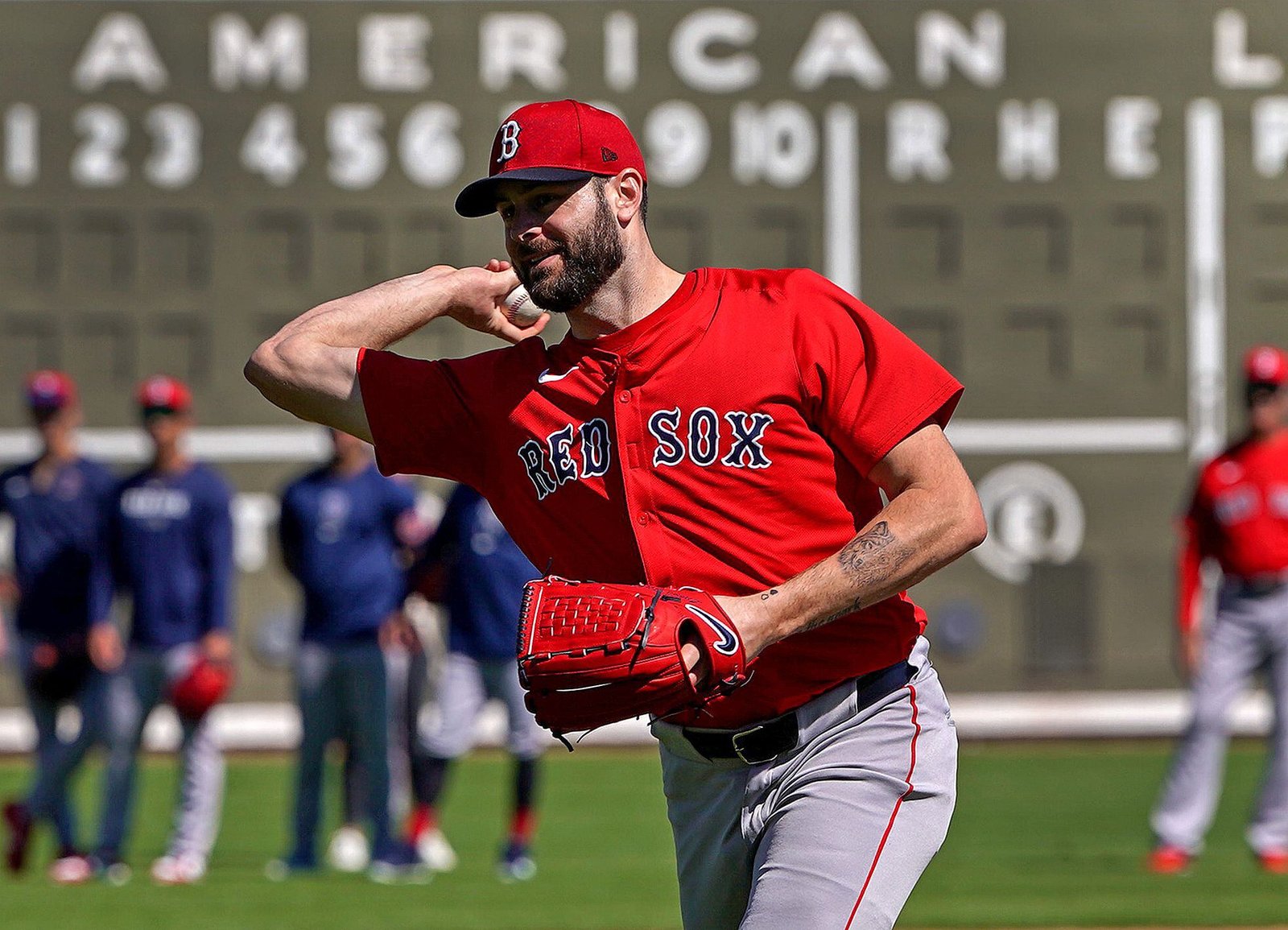
Tough Call on the Mound: Lucas Giolito Declines Boston Red Sox Contract Option Amid Contract & Health Questions
It was a defining moment for Lucas Giolito — a decision that underscores the complicated balance between performance, health, and value in professional sports. After posting a strong rebound season with the Boston Red Sox (10-4 record with a 3.41 ERA over 145 innings) post-surgery, Giolito opted to decline the $19 million mutual option for 2026 and instead tests free agency. (BoSox Injection)
This choice was far from easy. For Boston, the calculation was layered: Giolito had certainly earned a right to a lucrative return following his resurfacing performance, but the Red Sox also faced questions about sustainability, underlying metrics, and allocation of future payroll. For Giolito, it meant betting on himself — his health, his value, and his market — rather than settling into the relatively comfortable safety of the mutual option.
Why Giolito made the move
- Increased leverage: By exceeding the 140-inning threshold, Giolito triggered a $19 million mutual option; however, his decision to decline signals his belief he can command more in free agency. (yardbarker.com)
- Market timing: The qualifying offer for the 2026 season sits at roughly $22.025 million. His 2025 season performance gives him some claim to that number. (newsweek.com)
- Past health concerns: Giolito missed all of 2024 undergoing an internal brace procedure for his UCL, and made a full return in 2025. While he batted back into form, the underlying injury history might prompt teams to hesitate; perhaps Giolito wants to secure a long-term deal while his value is high. (MLB.com)
Why this is controversial for the Red Sox
- Draft-pick compensation factor: If Boston extends the qualifying offer and Giolito declines it, the team would get a compensatory draft pick — a valuable asset. But if he accepts the offer, the club is committed to a one-year deal at ~$22 million, potentially limiting flexibility. (newsweek.com)
- Rotation strategy and depth: The Red Sox have been intent on building rotation depth behind Garrett Crochet and others. Whether Giolito remains the ideal No. 2 or No. 3 starter is under question, given his strikeout rate and underlying metrics despite surface success. (BoSox Injection)
- Risk vs. reward: Investing in a pitcher with surgery in his recent past carries risk. For Boston, the decision to offer or not offer Giolito could set precedents for how they value veteran pitchers rebounding from injury.
The broader implication
Giolito’s decision reflects a broader theme in baseball: players are increasingly empowered to try and maximise value at the right moment, while clubs must weigh performance, health, contract structure, and future flexibility. For Boston, the move pits short-term performance against long-term strategy. For Giolito, it’s a declaration: “I’m not settling.”
As one Reddit poster captured the sentiment:
“There’s zero chance he gets a multi-year deal here… I think the question is whether to give him a qualifying offer.” (Reddit)
This decision signals that Giolito believes his 2025 season and comeback story give him enough leverage to chase a more favourable contract — and the Red Sox must decide whether they want to pay up, extend the QO and hope for his rejection (and a pick), or move on and invest elsewhere.
In short: Giolito made a tough decision. Boston now has one to make.
